
Wooden Door Installation: Costs, Steps & Expert Tips
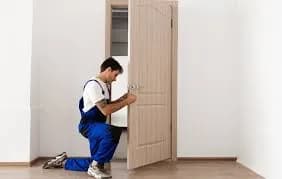
Wooden doors make a space feel warm, private, and complete. They suit villas, apartments, offices, retail shops, malls, and commercial interiors because they offer strength, beauty, insulation, and a timeless look.
In 2026, many buyers still prefer natural woodgrain, clean profiles, and better sound control.
Still, the door is only as good as the fit. A poor fit can cause sticking, uneven gaps, noisy closing, weak locking, and early repairs.
That is why wooden door installation should be handled with care from the first measurement to the final test.
Why Proper Wooden Door Installation Matters
Proper wooden door installation affects how the door works every day. When the frame is level, plumb, and square, the door opens smoothly, closes without force, and latches as it should.
That matters in a bedroom, but it matters even more in an office, shop, mall, or rental property with heavy use.
A badly fitted door can swing open on its own, rub the frame, drag on the floor, or leave gaps that look untidy. It can also affect security when the latch and strike plate do not meet cleanly.
From our site experience, most problems start with rushed measuring or poor alignment. Careful wood door installation gives the door a longer life and keeps repair costs lower.
Tools and Materials Needed for Wooden Door Installation
Before starting the work, prepare the right tools and materials. A neat setup helps you avoid delays, scratches, and weak fixing points.
You will need a measuring tape, a level, a drill, screws, a hammer, a chisel, shims, hinges, a door handle or lockset, wood filler, sandpaper, caulk or sealant, and safety glasses.
For interior wooden door installation, standard hinges and screws may be enough. For exterior doors, choose stronger fasteners, proper sealant, and a finish that can handle weather. If the door is heavy, work with another person.
Measure the Door Opening Correctly
Accurate measuring is the first real step in wooden door installation. Measure the width of the opening at the top, middle, and bottom.
Then measure the height on the left, right, and center. Finally, check the wall depth so the frame can sit flush with the finished surface.
Do not assume the opening is square. Many walls look straight but are slightly uneven. Use the smallest width and height as your guide when selecting the door or frame.
The rough opening must leave space for the frame and shims. Shims let you adjust the door into a level and plumb position. Without that gap, the frame may be forced into place, which can create pressure and cause sticking later.
For commercial projects, measure more than once. A small error repeated across many doors can become costly.
Prepare the Wooden Door and Frame
Before fitting begins, check the door size, swing direction, hinge side, and hardware position. Inspect the frame for cracks, twisting, old nails, or loose sections. If you are replacing an old door, remove the old hinges, handle, screws, and sealant.
For smooth wooden door installation, the opening must be clean and ready. Dust, broken plaster, rough timber, or leftover filler can stop the frame from sitting straight. Repair weak areas before placing the new door.
This is also the right time to think about finishing. If the door needs sealing, staining, or priming before fitting, do it early. Raw wood can absorb moisture, especially around the top and bottom edges.
Position the Wooden Door in the opening.
Place the frame or prehung wooden door into the opening carefully. Keep a prehung door closed while setting it in place so the frame stays stable. If the door slab is separate, fit and square the frame before hanging the door.
Check the hinge side first. This side carries the door’s weight, so it must be straight from top to bottom. Use a level and take your time.
Do not drive in every screw at once. Hold the frame, check the reveal, and make small adjustments. A door that looks “close enough” may become hard to close once the lock and handle are fitted.
Use shims to level and align the door.
Shims are small wedges, but they do a big job. They help position the frame so the door is level, plumb, and square. This is one of the most important parts of wooden door installation because poor shimming often leads to uneven gaps, rubbing, and latch problems.
Place shims near the hinge points first. Then add shims near the latch side and top where needed. The aim is to support the frame without bending it.
Never force too many shims into one spot. That can twist the frame. Also avoid over-tightening screws through the shims, because the frame may pull out of line.
Good wooden door fitting is patient work. Adjust, check, open the door, close it, and check again. When the swing is smooth and the reveal is even, you can move forward.
Secure the Hinges and Frame
Start fastening on the hinge side. Use screws that hold firmly into the frame and the supporting wall. After each fixing, check the door movement and the gap around the slab.
In wooden door installation, the hinge side sets the tone for the whole job. Once it is secure, move to the latch side and then the top. The screws should hold the frame firmly without pulling it out of alignment.
For heavier wooden doors, use longer screws through at least one hinge so the fixing reaches deeper into the wall framing. This gives extra strength for main doors, office doors, and high-use commercial doors.
Open and close the door several times before moving on.
Install the handle, lock, and hardware.
Once the door is aligned, fit the handle, latch, strike plate, lockset, stopper, and any closer. This order matters. Hardware should not be used to force a badly aligned door into place.
For a clean wooden door installation, mark every hardware point carefully. Use a chisel neatly for the hinge and strike plate recesses. The latch should enter the strike plate without lifting, pushing, or slamming the door.
Test the handle and lock several times before final tightening. In shops, offices, and malls, smooth hardware is part of safety as well as comfort.
Check Door Swing, Gaps, and closing.
Now step back and inspect the door like a customer would. The gaps around the hinge side, latch side, and top should look even. The door should not scrape the floor or hit the frame.
This check is a key part of the wooden door installation. Open the door halfway. If it moves by itself, the frame may not be plumb. Close it slowly and listen for rubbing, clicking, or pressure at the latch.
Check the lock, handle, stopper, and door closer. A door that fails after a few weeks often shows small warning signs on day one.
Seal, Finish, or Paint the Wooden Door
A wooden door needs protection. Sealing, staining, or painting helps defend the wood against moisture, dirt, hand marks, and daily wear. For exterior doors, this step is even more important because heat, humidity, and rain can affect the wood.
Good finishing is part of proper wooden door installation. Seal the top and bottom edges as well as the visible faces. These hidden edges often absorb moisture first.
Choose a finish that suits the space. Natural stain works well for warm interiors. Paint can match a modern office, villa, or retail brand style. For commercial areas, choose a finish that is durable and easy to clean.
Common Wooden Door Installation Mistakes to Avoid
The biggest mistake is wrong measurement. A door that starts with the wrong size will always need extra work. The next mistake is skipping the level and plumb checks. Even a small tilt can cause rubbing, uneven gaps, or latch issues.
Other common mistakes include over-tightening screws, poor shimming, installing hardware before alignment, ignoring weatherproofing, and leaving uneven gaps. We also see people rush the final test because the door “looks done.”
Do not judge the job by appearance alone. Open it. Close it. Lock it. Check the reveal. A well-installed door should feel solid, smooth, and secure.
DIY vs. Professional Wooden Door Installation
DIY can work for a simple interior door when the opening is square, the door is light, and the right tools are available. It is also easier with a prehung door because the slab and frame are already matched.
Professional wooden door installation is better for exterior doors, custom wooden doors, uneven openings, heavy doors, fire-rated doors, and commercial projects. A skilled installer can measure, adjust, secure, seal, and test the door properly.
For offices, shopping malls, retail stores, and e-commerce businesses with studios or storage areas, professional work also reduces downtime. The result is cleaner, faster, and easier to coordinate.
FAQs
How long does a wooden door fitting take?
A standard interior door can often be fitted in one visit once the door, frame, and hardware are ready. Custom doors or damaged openings may take longer.
What is the most common reason a wooden door sticks?
Poor alignment is the usual reason. If the frame is not level, plumb, or square, the door can rub against the jamb or floor.
Is a prehung wooden door easier to install?
Yes. A prehung door comes already set in its frame, so it is usually easier and faster than fitting a separate slab door.
Should I paint or seal a wooden door before fitting?
Yes, where possible. Seal or prime the door before final fitting, especially the top and bottom edges, to reduce moisture movement.
When should I hire a professional installer?
Hire a professional for exterior doors, heavy wooden doors, custom sizes, uneven openings, lock upgrades, and commercial projects where finish and security matter.