
Is Fish Collagen Powder Right for Your Healthy Aging Goals?

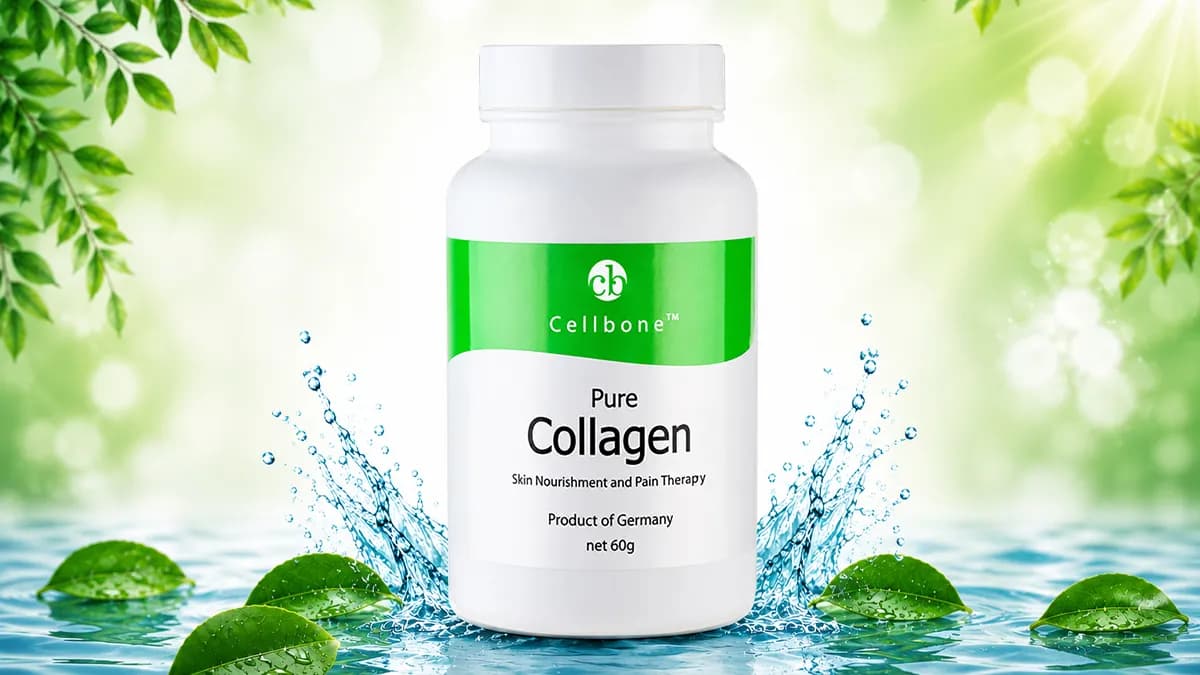
Aging skin is one of the most universal concerns in dermatology and one of the most misunderstood. Millions of people are actively searching for science-backed solutions to address declining skin firmness, loss of hydration, and the gradual breakdown of the skin's structural foundation. One ingredient that keeps coming up in those conversations is fish collagen powder, a marine-derived supplement that has quietly moved from niche wellness circles into mainstream skincare. But does it actually deliver on its anti-aging promises? Let’s break it down.
What Exactly Is Fish Collagen Powder?
Collagen is the most abundant structural protein in the human body, making up roughly 75% of the skin's dry weight. It provides tensile strength to the dermis and plays a central role in maintaining the integrity of connective tissue. Starting around age 25, the body's natural collagen synthesis begins to decline, a process that accelerates significantly after menopause in women.
Fish collagen powder, also referred to as marine collagen or hydrolyzed fish collagen, is derived primarily from the skin, scales, and fins of fish. Through a process called enzymatic hydrolysis, the collagen protein is broken down into smaller fragments known as collagen peptides, short-chain amino acids that are more readily absorbed through the gastrointestinal tract and delivered to the dermis where they're needed most. This is what separates a well-formulated fish collagen powder from a generic protein supplement: the peptides are sized for actual skin absorption, not just general nutrition.
Why "Marine" Makes a Difference
What sets fish collagen apart from bovine or porcine sources is the molecular weight. Marine collagen peptides are significantly smaller than those from land-animal sources, which allows for greater bioavailability and faster absorption into the bloodstream. Fish collagen is predominantly Type I collagen, the same type found in human skin, tendons, and bones making it particularly well-suited for targeting age-related dermal thinning, loss of elasticity, and persistent skin dryness.
How Fish Collagen Powder Supports Aging Skin
When ingested, hydrolyzed fish collagen peptides are absorbed through the small intestine and transported to dermal fibroblasts (the cells responsible for producing new collagen and elastin). These peptides act as signaling molecules, essentially prompting fibroblasts to ramp up their own collagen production. This is what makes a quality fish collagen powder meaningfully different from simply eating more protein: it triggers a targeted biosynthetic response in the dermis.
Clinical research has consistently shown that regular supplementation with fish collagen peptides improves skin elasticity, hydration, and reduces the visible depth of fine lines over 8 to 12 weeks of consistent daily use.
Supporting Skin Hydration and Barrier Integrity
One of the more overlooked benefits of marine collagen is its role in moisture retention. The amino acid profile of fish collagen, particularly its high glycine, proline, and hydroxyproline content supports the synthesis of hyaluronic acid within the dermis. Hyaluronic acid is the skin's primary hydrating molecule, responsible for maintaining skin turgor and a healthy, functioning moisture barrier.
For individuals experiencing dry, crepey, or dehydrated skin, this hydration-from-within mechanism offers something that even the best topical moisturizer cannot fully replicate. Adding fish collagen powder to a daily routine is essentially supporting the skin's own ability to hold onto water, rather than just applying moisture on top.
Addressing Fine Lines and Loss of Skin Firmness
As Type I collagen degrades with age, the extracellular matrix loses volume and resilience. This manifests visibly as fine lines, deepening nasolabial folds, and a general softening of facial contours. Incorporating fish collagen powder supports the replenishment of this matrix by working through the body's own biosynthetic pathways to restore what time has gradually reduced. It's a fundamentally different approach from surface-level skincare, and for many people over 35, it becomes an important part of the bigger picture.
Who Should Consider Fish Collagen Supplementation?
Fish collagen tends to be most relevant for adults over 35, particularly those noticing the early signs of photoaging, loss of skin density, or persistent skin dryness that topical products alone aren't fully addressing. It's also worth considering for anyone navigating perimenopause, when estrogen decline directly accelerates collagen degradation in the dermis, sometimes quite visibly, over a short period of time.
From a dietary standpoint, fish collagen powder is generally well-tolerated and free of the restrictions that sometimes accompany bovine or porcine collagen sources. The one key exception: those with fish or shellfish allergies should avoid marine collagen entirely. As with any new supplement, a conversation with a dermatologist or healthcare provider is always a smart first step before adding it to a routine.
Pairing Fish Collagen with a Complete Anti-Aging Routine
Ingestible collagen works from within, but the most meaningful results tend to emerge when it's paired with evidence-based topical treatments. The two approaches genuinely complementary, targeting the same aging processes from different angles.
Vitamin C is essential for collagen biosynthesis at the cellular level. It acts as a required cofactor in the process that stabilizes the collagen triple helix structure. Without adequate Vitamin C, the body cannot properly complete collagen fiber formation, regardless of how much fish collagen powder is being consumed. The two work together more effectively than either does alone.
Retinoids remain the gold standard in topical anti-aging, working to stimulate dermal remodeling and upregulate collagen expression at the cellular level. A well-formulated retinoid serum used consistently alongside fish collagen supplementation addresses the same aging mechanisms through two separate but reinforcing pathways.
Chemical exfoliation is another piece of the puzzle. The controlled removal of the stratum corneum through alpha-hydroxy acids or a quality rejuvenating peel accelerates cellular turnover and enhances the skin's receptivity to both topical actives and the internal benefits of collagen support. A rejuvenating peel clears away the layer of senescent keratinocytes sitting at the surface, allowing the healthier, more hydrated skin that fish collagen supplementation builds over time to actually show through. Without regular exfoliation, that renewal happening at the deeper dermal level can be partially masked by surface-level buildup.
What to Look for in a Quality Fish Collagen Powder
When evaluating a product, the term "hydrolyzed" or "peptides" on the label confirms that the protein has been enzymatically broken down for better absorption; whole collagen protein without hydrolysis offers far less bioavailability. A clearly identified marine source, third-party testing, and a clean ingredient list free of unnecessary fillers are other reliable markers of a product worth trusting.
Conclusion
Fish collagen powder is one of the more evidence-backed ingestible skincare ingredients available today. Its high bioavailability, structural alignment with the skin's primary protein type, and well-documented effects on elasticity, firmness, and hydration make it a rational addition to any healthy aging strategy, particularly for adults in their late 30s and beyond.