
Home Care Specialists: Expert Support That Helps Seniors Live Safely at Home

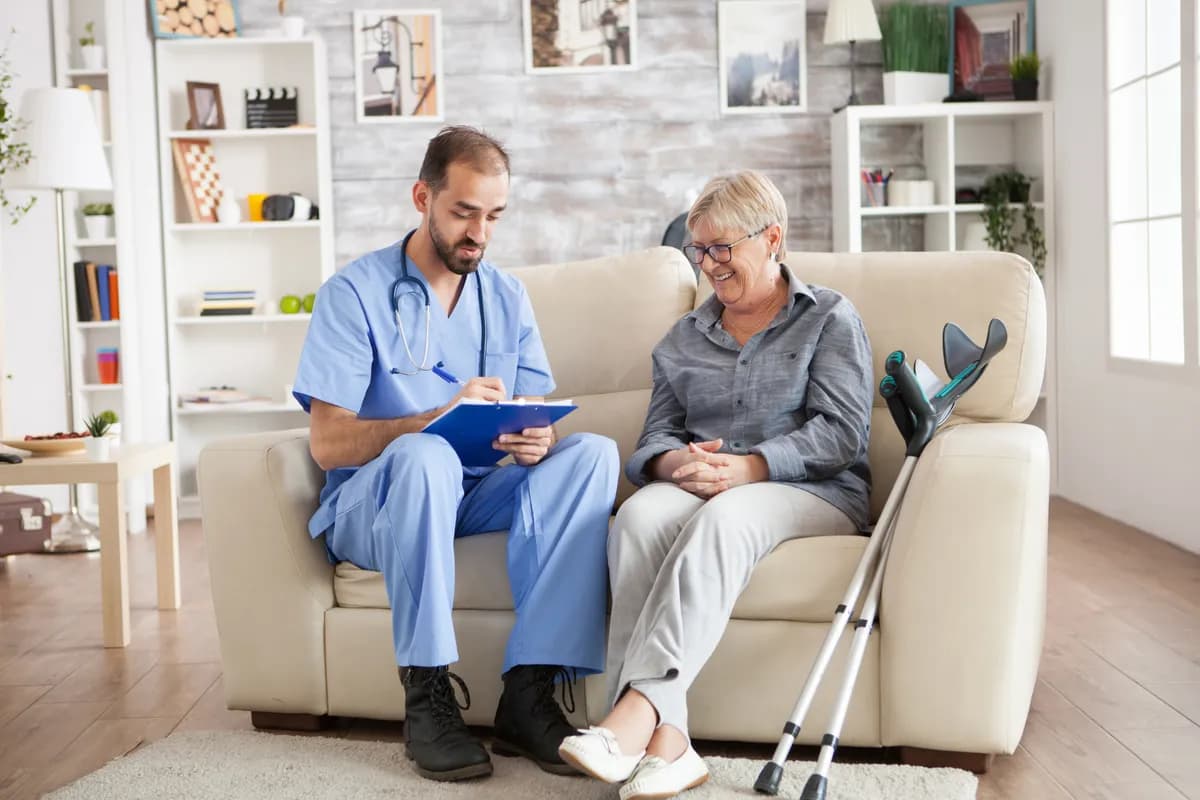
Aging changes everything. Tasks that once felt effortless—walking upstairs, preparing meals, remembering medications, or driving to appointments—can slowly become difficult. Families often notice these changes gradually. One forgotten appointment turns into several. A minor fall becomes a warning sign. Suddenly, loved ones begin asking a difficult question: “What kind of support does Mom or Dad really need?”
That is where home care specialists step in. These professionals provide personalized care inside the comfort of a person’s own home, helping seniors maintain independence, dignity, and safety without immediately moving into a nursing facility or assisted living center. For many families, home care feels like a bridge between total independence and full-time institutional care. It allows older adults to stay connected to familiar routines, treasured memories, and the emotional comfort of home.
The demand for home care specialists has grown rapidly in recent years. According to recent industry estimates, the U.S. home healthcare market is projected to exceed $225 billion by 2028, driven by an aging population and increasing preference for aging in place. (grandviewresearch.com) Families are increasingly choosing in-home support because it offers flexibility, emotional comfort, and personalized attention that large facilities sometimes struggle to provide.
Still, many people remain confused about what home care specialists actually do. Are they nurses? Caregivers? Medical professionals? Companions? The answer depends on the type of care required. Some specialists help with daily living activities like bathing and meal preparation, while others provide advanced medical support, dementia care, rehabilitation, and chronic illness management.
Understanding how home care specialists work, what services they provide, how much they cost, and how to choose the right provider can make an enormous difference for families navigating the aging process.
What Are Home Care Specialists?
Home care specialists are trained professionals who provide assistance and support to individuals in their own homes. Their primary goal is to help clients maintain independence while improving safety, comfort, and quality of life. Unlike hospital care, which focuses heavily on acute medical treatment, home care emphasizes long-term support tailored to everyday living.
The term “home care specialist” covers several roles. Some specialists provide non-medical assistance, such as meal preparation, housekeeping, transportation, and companionship. Others deliver hands-on personal care, helping seniors bathe, dress, use the restroom, and move safely around the home. Skilled professionals like registered nurses and therapists may also fall under the broader umbrella of home care specialists when they deliver medical services at home.
The growing demand for in-home care is not surprising. Most seniors prefer staying in their own homes for as long as possible. Home represents comfort, memories, and independence. Moving into a facility can feel emotionally overwhelming, especially for older adults who have spent decades building routines around familiar surroundings. Home care specialists help delay or sometimes completely avoid institutional care by creating safe support systems at home.
Families often prefer home-based care because it feels more personal. In nursing homes or assisted living communities, staff members typically divide attention among many residents. Home care specialists focus directly on one individual, allowing for customized care plans and stronger emotional connections. This one-on-one attention can significantly improve mental well-being and reduce feelings of loneliness or isolation.
Another reason home care has become so popular is flexibility. Families can schedule care for only a few hours weekly or arrange 24/7 support depending on evolving needs. This adaptability makes home care suitable for both short-term recovery and long-term aging support.
Different Types of Home Care Specialists
Not all home care specialists perform the same duties. Understanding the different categories of care helps families choose the right level of support without overpaying for unnecessary services.
Companion Care Providers
Companion caregivers focus mainly on emotional support and household assistance. They may prepare meals, help with shopping, provide transportation, assist with light housekeeping, or simply spend time talking with seniors. While these services may sound simple, they can dramatically improve emotional health and reduce isolation. Loneliness among older adults has become a major public health concern, and regular companionship can positively affect mood, cognitive function, and overall well-being.
Companion care is often the first level of support families introduce. Seniors who are mostly independent but need occasional help usually benefit greatly from this type of service. A few weekly visits can provide structure, conversation, and peace of mind for both seniors and family members.
Personal Care Assistants
Personal care specialists provide hands-on assistance with daily living activities. These caregivers help clients bathe, dress, groom themselves, use the restroom, and move safely around the house. Personal care requires additional training because caregivers must understand mobility techniques, hygiene standards, and fall prevention strategies.
This type of support becomes essential when seniors begin struggling physically. Arthritis, Parkinson’s disease, stroke recovery, and balance issues often make routine tasks difficult or unsafe. Personal care assistants help preserve dignity by allowing seniors to remain at home instead of entering institutional care prematurely.
Skilled Nursing Professionals
Skilled nursing specialists provide medical services at home. These professionals may monitor chronic conditions, administer medications, manage wound care, assist with rehabilitation exercises, or oversee post-surgery recovery. Skilled nursing care is especially valuable for individuals recovering from hospitalization who still require medical supervision but no longer need inpatient treatment.
Unlike companion care, skilled nursing usually involves licensed professionals such as registered nurses or therapists. Because of the medical expertise involved, these services are generally more expensive than non-medical care.
Dementia and Alzheimer’s Specialists
Caring for individuals with dementia requires specialized training and patience. Dementia care specialists understand memory loss, behavioral changes, wandering risks, and communication challenges associated with Alzheimer’s disease and related conditions. Their role extends beyond physical care because emotional reassurance and structured routines become equally important.
Families dealing with dementia often experience enormous emotional stress. Specialized home care professionals provide guidance, consistency, and coping strategies that improve safety for both seniors and caregivers.
Services Offered by Home Care Specialists
Home care specialists provide a broad range of services designed to support both physical and emotional well-being. The exact services depend on the client’s condition, independence level, and medical requirements.
Daily living assistance forms the foundation of most home care plans. Caregivers may help clients get out of bed safely, prepare meals, maintain personal hygiene, or complete household chores. These tasks sound ordinary, but they are essential for preserving health and dignity. Something as simple as proper nutrition or regular bathing can significantly affect overall quality of life.
Medication reminders and health monitoring also play critical roles. Many seniors manage multiple prescriptions simultaneously, increasing the risk of missed doses or medication errors. Home care specialists help clients stay on schedule and observe changes in health conditions. Early detection of symptoms can prevent complications that might otherwise lead to hospitalization.
Transportation assistance provides another important benefit. Older adults who stop driving often become socially isolated because they struggle to attend appointments, visit friends, or run errands independently. Home care specialists help maintain social connections and ensure clients continue accessing necessary healthcare services.
Emotional support may be the most underestimated service of all. Aging can feel deeply lonely, especially after the loss of a spouse or close friends. Caregivers often become trusted companions who provide conversation, encouragement, and reassurance. These relationships can have profound emotional benefits that extend far beyond practical assistance.
Some home care specialists also support rehabilitation efforts. Following surgery or illness, therapists and skilled caregivers may guide exercises, mobility training, and recovery routines that help seniors regain strength and confidence. This type of care reduces hospital readmissions and encourages faster recovery within a familiar environment.
Benefits of Hiring Home Care Specialists
The biggest advantage of hiring home care specialists is simple: people usually feel happier and safer at home. Familiar surroundings reduce stress, especially for seniors dealing with memory loss or chronic health conditions. Home environments carry emotional meaning that hospitals and care facilities cannot replicate.
Personalized care plans provide another major benefit. In institutional settings, routines often revolve around facility schedules. At home, care adapts to the individual. Seniors can wake up when they choose, eat preferred meals, follow personal routines, and maintain greater independence. This flexibility improves emotional well-being and preserves dignity.
Home care specialists also reduce pressure on family caregivers. Many relatives try handling caregiving responsibilities alone, balancing work, parenting, and emotional stress simultaneously. Over time, burnout becomes common. Professional support gives families time to rest, work, and maintain healthier relationships with loved ones instead of feeling overwhelmed by constant caregiving demands.
Research shows home-based care can reduce hospital readmissions as well. Consistent monitoring, medication support, and early intervention help identify problems before they escalate into emergencies. Seniors recovering at home often experience better emotional comfort, which can positively influence physical healing.
Cost flexibility is another important factor. Families can adjust care schedules based on changing needs and budgets. Some clients need only a few weekly visits, while others require full-time assistance. This scalability allows families to gradually increase support rather than immediately committing to expensive long-term facilities.
There is also a psychological benefit that families sometimes overlook: maintaining independence. Many seniors fear losing control over their lives more than aging itself. Home care specialists help individuals continue living on their own terms while receiving necessary support. That emotional security matters tremendously.
How Much Do Home Care Specialists Cost?
The cost of hiring home care specialists varies widely depending on location, care type, and scheduling needs. National averages for non-medical home care currently range between $30 and $35 per hour in many parts of the United States. (care.com)
Here is a general breakdown of common care costs:
Service Type Average Hourly Cost
Companion Care $28–$32
Personal Care Assistance $30–$36
Skilled Nursing Care $50–$100+
Dementia Specialty Care $35–$45
(care.com)
Several factors influence pricing. Geographic location is one of the biggest variables. Urban areas and states with higher living costs typically charge more for caregiving services. Care complexity also matters significantly. Basic companionship costs less than advanced medical support requiring licensed professionals.
Hours of care heavily affect monthly expenses. A few weekly visits may cost only several hundred dollars monthly, while 24/7 support can exceed $20,000 per month in some regions. Overnight shifts, weekends, and holidays often carry premium pricing as well.
Agency care generally costs more than hiring private caregivers independently. Agencies include administrative support, insurance coverage, caregiver replacement services, and training in their pricing structure. Independent caregivers may charge less, but families assume greater responsibility for payroll, scheduling, and legal compliance.
Insurance coverage varies. Medicare usually covers only short-term skilled medical care, while Medicaid programs and long-term care insurance may provide broader assistance depending on eligibility and policy details.
Choosing the Right Home Care Specialist
Selecting the right caregiver is one of the most important decisions families make. Skills and certifications matter, but personality compatibility matters just as much. The caregiver-client relationship becomes deeply personal because care occurs inside the home environment.
Families should begin by clearly identifying needs. Is companionship enough, or is medical support necessary? Does the client require mobility assistance or dementia care expertise? Defining these needs prevents confusion during the selection process.
Asking detailed questions during interviews is essential. Families should inquire about training, certifications, experience with specific medical conditions, emergency procedures, and scheduling flexibility. Agencies should also explain how they handle caregiver absences or emergencies.
Warning signs should never be ignored. Poor communication, vague pricing, lack of licensing information, or rushed assessments often indicate deeper organizational problems. Trust your instincts during consultations. If something feels unprofessional or unclear, continue searching.
References and reviews provide valuable insight, though no provider will have perfect feedback. Patterns matter more than isolated complaints. Consistency, responsiveness, and professionalism should stand out across reviews and recommendations.
Families should also involve seniors in the decision-making process whenever possible. Care works best when the individual receiving support feels respected and comfortable with the caregiver relationship.
Home Care Specialists vs Nursing Homes
Families frequently compare home care with nursing homes or assisted living facilities. Each option has advantages, but home care offers a unique level of personalization and independence.
Nursing homes provide structured environments with around-the-clock staffing and medical supervision. For individuals with severe medical conditions requiring constant monitoring, nursing facilities may be necessary. However, institutional settings often limit privacy and personal freedom.
Home care specialists allow seniors to remain in familiar surroundings while receiving customized support. This flexibility improves emotional comfort and often delays the need for institutional care. Seniors maintain more control over routines, meals, schedules, and daily activities.
Cost comparisons vary depending on care intensity. Limited home care is often cheaper than assisted living, but full-time home care can become equally expensive or even more costly than residential facilities. Families must evaluate both financial realities and emotional preferences when making decisions.
For many people, the choice ultimately comes down to lifestyle. Some seniors thrive in social community settings, while others strongly prefer staying at home surrounded by familiar belongings and memories.
Technology and the Future of Home Care
Technology is rapidly transforming how home care specialists deliver support. Smart home systems, wearable health devices, medication reminder apps, and telehealth platforms now allow caregivers to monitor seniors more effectively than ever before.
Remote monitoring tools can detect falls, track movement patterns, and alert caregivers about unusual activity. Telehealth appointments reduce transportation barriers and allow medical professionals to assess patients without requiring clinic visits.
Artificial intelligence is also beginning to influence caregiving. Some systems analyze behavioral changes, sleep patterns, or medication adherence to identify early warning signs of health decline. While technology cannot replace human compassion, it can strengthen safety and improve efficiency.
Families increasingly combine technology with professional caregiving to create flexible support systems. This hybrid approach helps seniors maintain independence longer while giving relatives greater peace of mind.
The future of home care will likely become even more personalized. As demand grows, providers are focusing on specialized care plans tailored to individual lifestyles, health conditions, and emotional needs.
Conclusion
Home care specialists play a vital role in helping seniors age safely and comfortably at home. They provide far more than basic assistance. They offer emotional support, medical guidance, companionship, dignity, and peace of mind for families navigating difficult transitions.
As the aging population continues growing, the importance of home-based care will only increase. Families today have more options than ever before, ranging from companion care and personal assistance to skilled nursing and dementia support.
Choosing the right home care specialist requires thoughtful planning, honest conversations, and careful evaluation of both emotional and financial needs. The best caregiving solutions are not simply about managing health conditions. They are about preserving independence, comfort, and human connection during one of life’s most vulnerable stages.
FAQs
1. What do home care specialists do?
Home care specialists assist seniors and individuals with disabilities by providing companionship, personal care, medical support, transportation, meal preparation, and health monitoring inside the home.
2. Are home care specialists medically trained?
Some are medically trained professionals like nurses or therapists, while others focus on non-medical assistance such as companionship and daily living support.
3. How much do home care specialists cost?
Costs vary depending on care type and location, but average hourly rates typically range from $28 to $45 for non-medical and specialized care services.
4. Does insurance cover home care specialists?
Medicare may cover short-term skilled medical care, while Medicaid and long-term care insurance sometimes cover broader home care services depending on eligibility and policy details.
5. How do I choose the best home care specialist?
Look for experience, certifications, clear communication, positive references, customized care plans, and caregivers who match the client’s personality and specific needs